Sustainable Secure Fencing with Our Fence Company
There's a specific kind of satisfaction that comes from constructing something that lasts. Not just "won't drop in a year" lasting, however lasting in the manner in which respects the land it touches. When people call our fence company, the request is generally functional externally: privacy, protection, visual appeal, a limit that does not obscure over time. But the deeper inquiry usually appears also, specifically now. They desire the fence to do its task without treating the yard like a non reusable backdrop.
I've learned that "sustainable" secure fencing is much less concerning one magic product and more regarding a chain of selections that stand up under actual climate, real spending plans, and genuine everyday use. The right strategy feels adventurous in the most effective means: you explore alternatives, you evaluate compromises, and you wind up with something that looks excellent and performs for years.
What "sustainable" implies when your fence meets the actual world
Sustainability obtains thrown around like a tag, yet fence choices are a lot more based than slogans. A fence lives outdoors. It gets sun, wind, freeze thaw cycles, lawn sprinklers, soil get in touch with, and the occasional bike handle that discovers the slats at just the wrong moment. Those truths form what "sustainable" should suggest for your property.
In technique, sustainability in fence tends to come under 4 buckets:
First is material durability. If the fence makes it through much longer, you replace it much less commonly, and that reduces waste and labor over time.
Second is just how the product handles dampness and insects. A fence that stays steady with wet periods usually implies less repairs, fewer emergency board swaps, and much less rework.
Third is the impact of the material and the finishing selections. Also when a product itself is long lasting, finishings, therapies, and installment techniques influence just how it ages and what winds up in land and runoff.
Fourth is end-of-life fact. Can parts be recycled, can the structure be taken down without shredding everything, and does the hardware last long enough that you're not reconstructing the fence even if a couple of fasteners rusted?
None of these containers issues in isolation. I've seen lots of "green" materials fall short due to the fact that they weren't ideal paling fence contractors for the website, and I've seen standard choices defeat the trousers off options due to the fact that they were mounted with much better spacing, far better articles, and better drainage.
The materials conversation we in fact have with homeowners
When clients listen to "sustainable secure fencing," they often picture a list of fashionable options. In actual conversations, the best course relies on climate, ground problems, and the kind of fence you want.
Wood is a classic selection. With the right design and detailing, it can be extremely efficient and it can look cozy and natural. The sustainability angle comes from selecting quality lumber, decreasing waste at installation, and making use of a coating or therapy strategy that fits your local problems. The trade-off is that timber calls for thoughtful maintenance. If a residential or commercial property is shaded a lot of the day and lawn sprinklers struck it regularly, specific wood species and surfaces behave differently than they do in full sunlight with drier conditions.
Metal fence can also be a solid sustainability play due to the fact that it usually lasts a long time with marginal substitute. Steel and light weight aluminum are common in this discussion. Steel fences are regularly lighter to keep than wood, and if you're not making use of bolts that rust quickly, the structure can stay functional for several years. The trade-off is that metal can dent from hefty effects, and in freeze thaw environments, development and tightening can affect how panels and pickets straighten over time. The right setup information matter here too.
Composite options turn up a great deal, specifically when individuals desire the feeling of wood without the same maintenance cycles. Sustainability for composites can be complicated. Some items are made from blended materials, which can affect repairability and disposal. If a composite fencing obtains harmed, matching substitute sections can be extra complex than with a simple timber board swap, relying on the system. That does not instantly make it a bad choice, however it does alter the lasting possession experience.
Stone, block, and masonry fencings are a different category. They're frequently built for permanence, and their visual influence is undeniable. The sustainability inquiry here is commonly around how much material is called for and whether the design is enhanced so it does not become overbuilt. Additionally, foundation selections matter. If the base is ideal and the structure is designed to deal with drainage, stonework can be exceptionally durable.
In the field, we deal with these as tools, not ideological backgrounds. A lasting option is the one that fits your property and your desire to keep it.
Installation options that silently make a fence greener
People usually think sustainability begins at the showroom. It doesn't. A fencing is just as sustainable as its details, and information are where most lifetime efficiency is won or lost.
One of the most significant aspects is post long life and how blog posts fulfill soil. Posts anchored well, set at the best depth for your soil type and neighborhood problems, and made to decrease trapped wetness can extend the life of an entire fence. When articles rot early, the replacement cycle starts prematurely, despite exactly how good the panels search day one.
Another variable is spacing and airflow. A fence that traps wetness against itself frequently ages quicker. We take note of just how panels are oriented, just how boards overlap, and just how water sheds. Also small changes in rail elevation and picket spacing can change just how swiftly surfaces dry after rain.
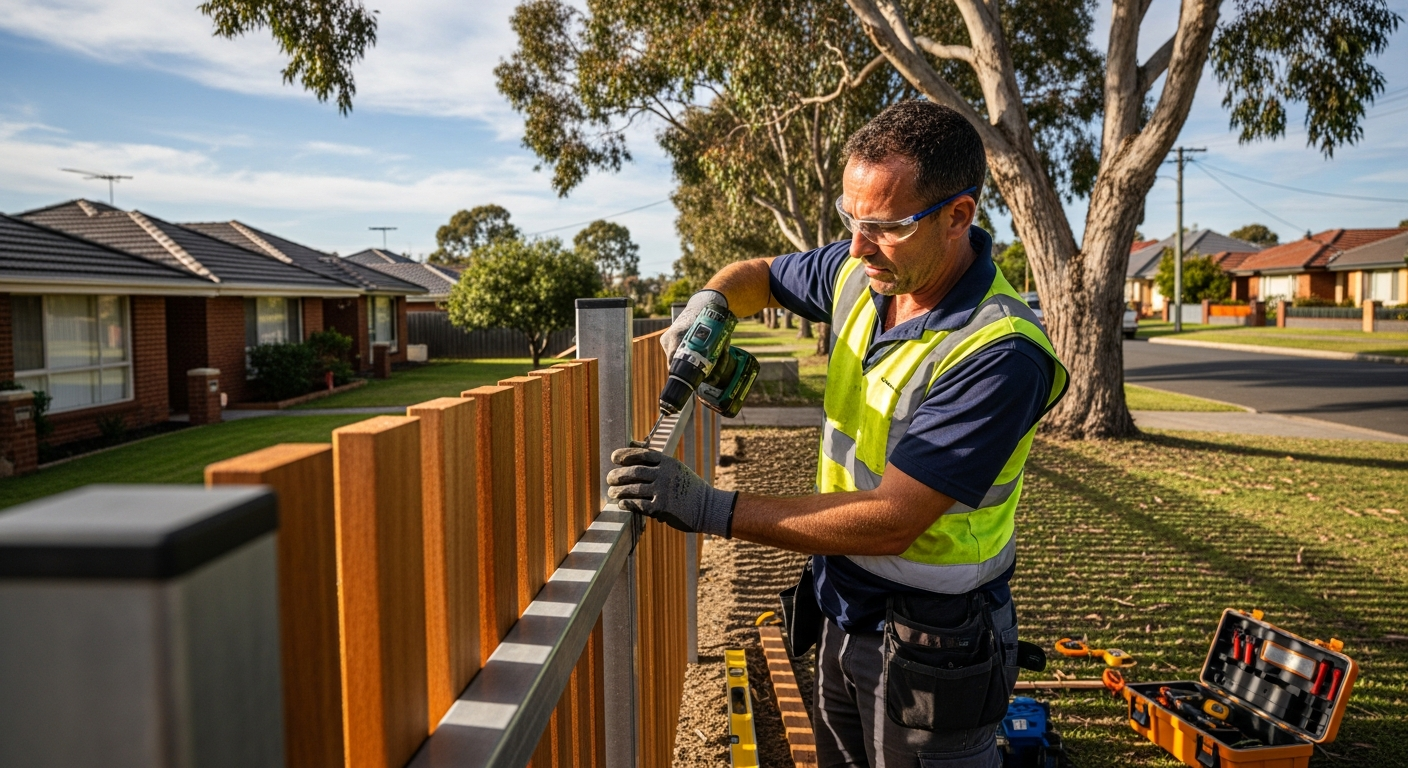
Then there's waste decrease. During installation, the smallest efficiency enhancements add up. Cutting panels to reduce scraps, buying the appropriate amounts, and preparing formats around existing barriers reduces the quantity of unused material that ends up in the trash. That could not feel like "sustainability" in the beginning, but if you've ever had to store added pressure dealt with boards or throw away offcuts, you understand why it matters.
Finally, there's the concern of future repairs. A fence made with exchangeable areas and easily accessible hardware is much easier to service. That decreases the probabilities of a complete tear-out when a localized section fails.
The adventurous part of this work is that it's not one-size-fits-all. Two backyards can look comparable and yet require various message techniques, various rail designs, and different water drainage approaches.
Wood secure fencing, yet made with restriction and intention
Wood can be an excellent option when it's matched to the site. The sustainability benefits show up when the fencing is developed to stand up to common failure points, especially at the blog posts and at subjected board ends.
From my experience, a great deal of timber fence issues boil down to moisture monitoring and setting up high quality. Board finishes and reduce edges are usually where water grabs initially. Great installation attempts to restrict standing water and shields susceptible edges when the design permits it.
Finishing is an additional location where judgment issues. Some property owners want a certain look and think that choosing the "most all-natural" surface is automatically one of the most lasting. However "natural" can mean different things in technique, and it doesn't eliminate the truth that finishes affect just how a fence climates. A coating that maintains the surface steady and shields it much longer can decrease exactly how typically you need to refinish, which can be a sustainability win.
Trade-off: if a fencing remains in hefty shade and stays damp, the long-term maintenance load can climb. In those cases, you could pick a design that endures slower drying out, or you might lean toward a product that takes care of moisture much more predictably.
We likewise think about how family pets and kids connect with the fence. If the fencing is mosting likely to be bumped regularly, more powerful picket accounts or a slightly different format can minimize the rate of board replacement. That's sustainability via sturdiness, not simply through material selection.
Metal secure fencing as a longevity play
Metal fences typically earn their maintain by merely outlasting several choices. They resist rot and will not split the method timber can, and with appropriate coverings and quality equipment, they can stay looking presentable for years.
When metal fencing is the ideal fit, the sustainability angle has a tendency to be about reduced replacement cycles. A fence that doesn't deteriorate from moisture exposure similarly timber does can remain functional much longer. It likewise usually handles maintenance in different ways. Rather than sanding, staining, and duplicated refinishing, maintenance typically looks like cleaning and periodic equipment checks.
Trade-off: steel can corrode if finishings are jeopardized or if the wrong parts are made use of in harsh atmospheres. Near coastlines or where de-icing salts prevail, corrosion threat can enhance. That's one factor we pay close attention to hardware and just how the fence is outlined at ground level. If water accumulates against reduced rails or if particles holds wetness versus surfaces, you can see early wear.
Also, steel often tends to show dents and influence damage. That's not always a deal-breaker. Sometimes the style can be changed for more resilience, or the fencing can be put to secure it from frequent collisions.
Composite and "reduced upkeep," with genuine eyes
Composite secure fencing is popular due to the fact that homeowners like the idea of doing less. The sustainability concern is not simply "does it need maintenance," but "what does upkeep look like over the fencing's life, and what occurs when repair service is needed."
Composite can minimize certain maintenance tasks like discoloration. That's a legitimate benefit if you want a fencing that stays constant without seasonal jobs. Nonetheless, composite items are systems. The fittings, just how panels are supported, and exactly how the material handles warm and moisture issue. Some compounds can increase and acquire more significantly than wood depending upon solution and how the boards are mounted.
Trade-off: when damages takes place, matching the very same product and changing areas can be more difficult than changing a specific board in a wood fencing. The sustainability benefit after that ends up being partly depending on availability, guarantee terms, and whether the installation is made for very easy section replacement.
If you're thinking about composite, we ask concerns that installers often neglect, like whether you desire the fence to be "set and forget" for a long period of time, and whether you fit with the system behavior in your climate. Those responses assist determine if composite is actually lasting for your possession style.
How we create for water drainage and wind, not just appearance
A sustainable fencing is a fence that does not fight your residential property. Wind direct exposure, incline, and drain patterns all affect how much time a fencing holds its shape.
On sloped backyards, we typically encounter a selection in between stepping panels and adhering to grade with even more complex terracing. Tipping can lower the requirement for considerable grading and can lessen planet disturbance. However tipping additionally alters just how water moves behind the fencing, which can influence soil moisture levels.
For water drainage, we view the back side of the fence line. If downspouts discharge near fence posts or if watering sprays the base continuously, that wetness behavior can produce a pattern of increased degeneration. Adjusting lawn sprinkler angles or transferring a drip line is sometimes a cheaper, a lot more sustainable repair than swapping materials after the fact.
Wind matters as well. A fence can be "strong" enough for privacy but still require air movement in particular layouts to avoid extreme stress. Strong obstacles can capture wind like a sail. Numerous lasting styles make use of slatted or semi-solid configurations that offer privacy while reducing wind load. That can enhance longevity by placing less anxiety on rails and posts.
These are not academic ideas. I have actually enjoyed a fencing begin leaning after a single season when the design really did not match the wind profile of a yard passage. The solution was not only replacing parts, it was revamping the fencing to behave effectively under load.
What to ask your fence company before you sign anything
A great fence company can make sustainability really feel straightforward. A not-so-good one can leave you with a fence that looks great wood fencing on mount day yet sets you back extra later on. The concerns below are the ones I suggest most, because they require clearness around durability, maintenance, and installation practices.
- What product choice fits your climate and my dirt problems, not simply my preference?
- How do you prepare the posts and what maintains dampness from trapping at the base?
- What parts are probably to need replacement first, and just how easy is it to change simply those sections?
- What upkeep do you advise, and what occurs if I miss it for a few seasons?
- How do you decrease waste throughout installation, and can you tailor the format to reduce offcuts?
When you hear certain, specific solutions, it's an indication the business recognizes exactly how fences actually age. If the feedbacks are vague or entirely focused on cost, that's a warning. Sustainability isn't low-cost in the brief run, yet it shouldn't be mystical either.
A quick tale from the area: the "tiny solution" that saved a whole fence
A couple of years ago, we replaced a section of a wood fence after boards began separating along a stretch that faced stable night winds. The property owners expected a simple board swap. What we discovered was a pattern: the blog posts in that stretch were established correctly, however the rail supports had been put together in such a way that allow water sit longer than it must near the lower edge. It was refined, the example you might miss out on unless you're inspecting at the level where the wood satisfies the hardware.
We rebuilt that section with boosted drain behavior, readjusted the rail geometry, and made use of an equipment technique that reduced early corrosion at call points. The property owners were pleased with the look, however what mattered most was what they informed us later. After the following rainy season, they observed the fencing remained limited. No new voids. No consistent "enjoy it" feeling.
That's the kind of sustainability that doesn't obtain marketed. It's not concerning an expensive material. It has to do with respecting the technicians of exactly how a fence weathers.
Trade-offs we deal with as component of the style, not problems
Sustainable secure fencing typically gets oversimplified as a profession of "environmental great" for "minor trouble." In reality, compromises are available in various tastes, and a considerate fence plan recognizes them.
If you select wood for appearances, you might accept periodic maintenance. That can still be lasting if upkeep is practical, products are selected well, and the fence lasts long enough that you're not replacing it every few years.
If you select steel for durability, you might accept the appearance of steel and approve that influence dents may occur. With the best style and positioning, that ends up being an appropriate trade.
If you select composite, you might accept a system-based fixing approach. If your lawn is prone to constant damage, you might favor a material that individual parts can change easily.
The finest fence layouts transform these compromises right into predictable end results. You recognize what's likely to fall short initially, you understand how replacement would function, and you can make a decision based on how you in fact live.
Sustainability additionally indicates planning for possession, not simply install day
When consumers ask us about sustainable fencing, I usually hear problems that surpass the materials.
"For how long will it last?" issues, however so does "What will it set you back to care for it?" and "Will I despise preserving it?" If a fence is practically sturdy yet develops continuous upkeep stress and anxiety, people have a tendency to delay maintenance. Delays can accelerate wear.
We attempt to discuss realistic possession timetables. Some fencings might need simple cleaning up a couple times a year, others might need periodic checks of hardware and sections after heavy weather condition. If you're making use of a wood fence, you could plan for refinishing or treatment touch-ups depending on the product and direct exposure degree. If you're using metal, you may prepare for cleaning and assessment, specifically in areas where deterioration danger is higher.
A lasting fence is one you're willing to keep in excellent shape.
Bringing it with each other: a sustainable fence strategy that fits your adventure level
Every residential or commercial property has its own energy. Some lawns feel tranquil, shaded, and slow-moving. Others are full sun, hectic wind, and periodic storms. Some yards host children and family pets that deal with the fencing like component of the playground. Others are quiet, decorative, and seldom touched.
Our approach at our fence company is to match the sustainable technique to that truth. We don't sell one material as universally superior. We construct fencings that remain straight, withstand usual failings, and age beautifully. The sustainability goal is straightforward: less replacements, far better efficiency, and options that make good sense for exactly how you live.
When you invest in a fencing with longevity in mind, you end up with something that really feels much less like an acquisition and even more like a lasting limit. It holds its objective with periods. It minimizes waste since you're not regularly rebuilding. And it gives you privacy, security, and a visual structure for your home without turning your lawn into a repeating construction site.
If you prepare to chat via options, one of the most lasting next action is typically a website visit. We check out direct exposure, drainage, and just how you want the fencing to operate. After that we choose materials and setup details that earn their keep in time, not simply on set up day.